



Search results
672 results
-
Wet teamwork
Ants work in teams to form rafts and cross puddles! By mimicking the physical properties of liquids, ants can manage to overcome even the largest puddle.
-
Body full of blood!
7-8 percent of your body weight is made up of blood!
-
Bacteria are taking over!
Humans are home to over 1000 trillion bacteria! Bacterial cells are the most abundant cell in the human body, outnumbering our own cells by 10 to 1. Your face has 10-100 million bacteria per square centimetre.
-
Tiny bacteria
Around one million bacteria can fit on a pin head!
-
Nutritional supplements in sport
An insight into the development of nutritional supplements from the University of Bedfordshire.
-
John - Professor of Sport
An interview with John, a Professor of Sport at the University of Bedfordshire.
-
How Science Works - Clip Bank
Short, engaging stimuli showing students the real-life application of science within the context of BP’s business.
-
A little biting creature
Ever wondered what a tsetse fly is or the damage it can cause? Well read this article to find out more and see how you could get involved in trying to treat infectious diseases.
-
Designer babies: fact not fiction
Find out all about IVF, how it is helping couples to have children who may otherwise not have been able, and the ethical questions that it raises.
-
Investigating the brain
Find out what the brain does and what happens to the rest of the body if it is damaged.
-
STEM Careers
An insight into the benefits of STEM careers from Kate Bellingham.
-
What is it like to be a scientist?
Stephen Curry interviews 6 different scientists out of the laboratory to find out what they really think about science.
-
Global Health
Looking into the issues affecting primary healthcare around the world.
-
Thinking about brains
Find out more about the human brain and how we can look at it in more detail to aid our understanding.
-
Chilled Education
New website with careers and other information about the fast moving and dynamic chilled food sector.
-
Careers in Conservation
Webpages from the RSPB providing useful hints and tips for getting a career in conservation.
-
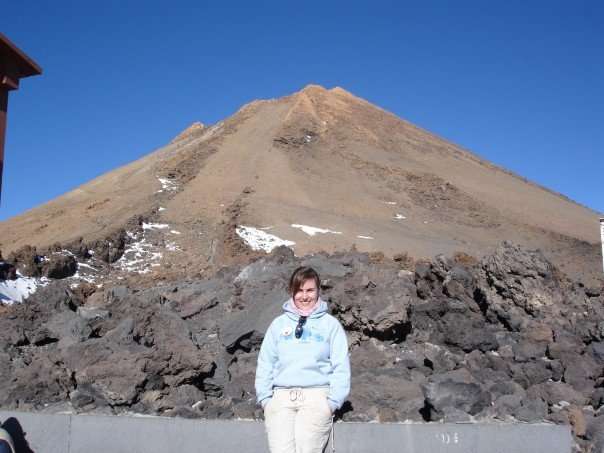
Laura - PhD student in Geology
An interview with Laura who shares her stories and experiences of working in earth science.
-
Love your heart
Find out about the heart, how it works, and how you could base your career around it.
-
Seeing what your future holds
Sight is so important to us all to see the world around us, but what careers are involved in improving sight for those who are not so fortunate? Read on to find out more.
-
How does the brain work?
Controlling the body, experiencing emotions and storing memories - just a few of the things our brain does for us. But what happens when it all goes wrong...

